 Crown Electric
For homeowners in Vancouver, Camas, Battle Ground, Ridgefield, and the surrounding Clark County area, knowing what to notice can help you explain the problem and decide when to call an electrician. Here is what a tripping breaker means and how to respond safely.
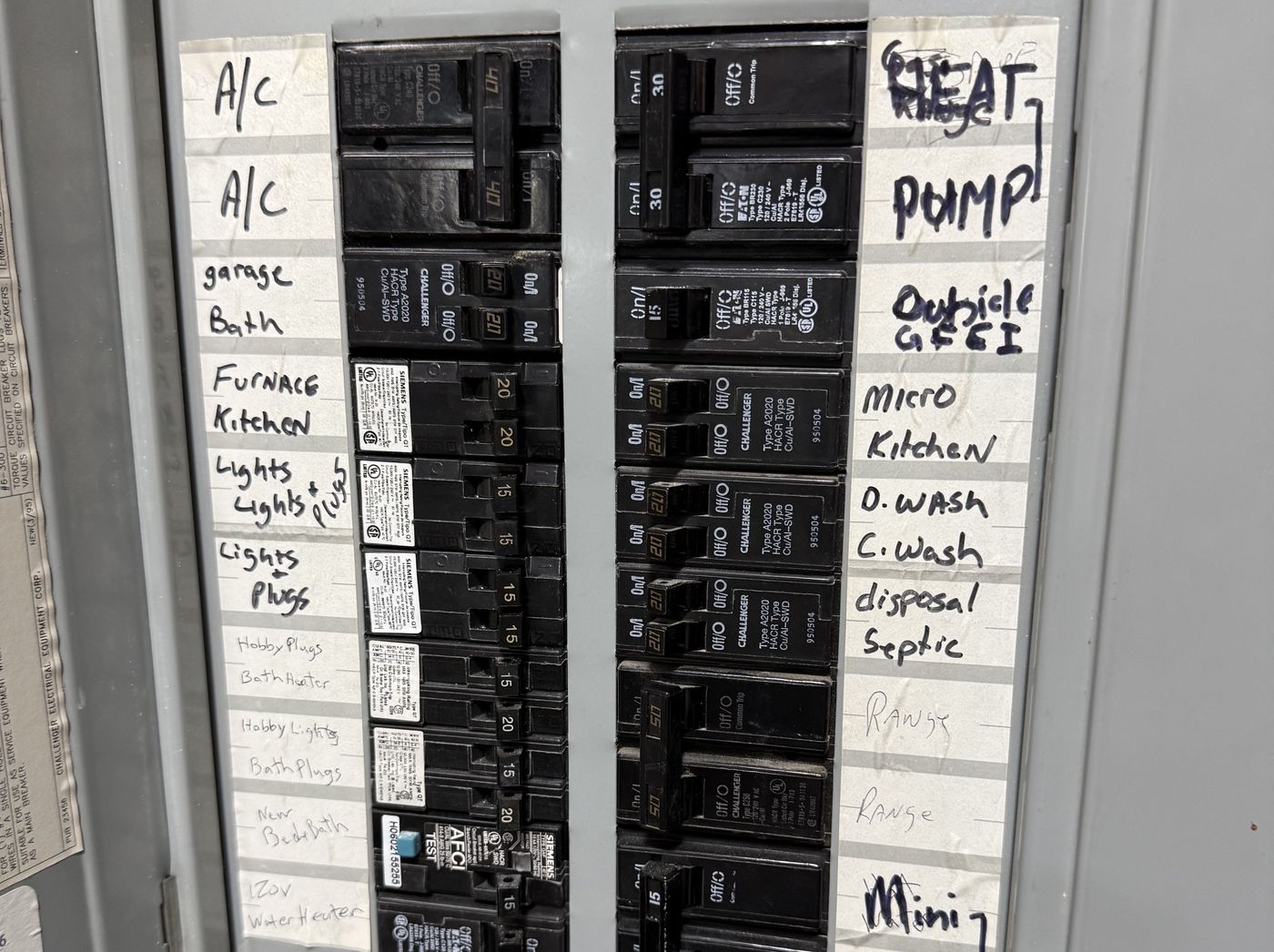
What happens when a circuit breaker trips
A breaker interrupts power to protect its circuit. Standard breakers provide protection against excessive current, including overloads and short circuits. Some breakers also provide ground-fault or arc-fault protection. Eaton explains these differences in its Eaton circuit breaker fundamentals.
A trip tells you that something needs investigating; it does not identify the cause by itself. The circumstances matter, including which equipment was running and whether the same circuit has lost power before.
Common reasons a breaker keeps tripping
Too much equipment on one circuit
An overload happens when connected equipment draws more current than the circuit can safely carry. For example, running a portable heater and another high-power appliance on the same circuit may exceed its capacity. Outlets in different parts of a room can still share a circuit.
Adding a power strip does not increase that capacity. The Electrical Safety Foundation International explains this in its ESFI guidance on overloaded circuits. An electrician can assess whether changing how the circuit is used or adding a properly designed circuit would address the problem.
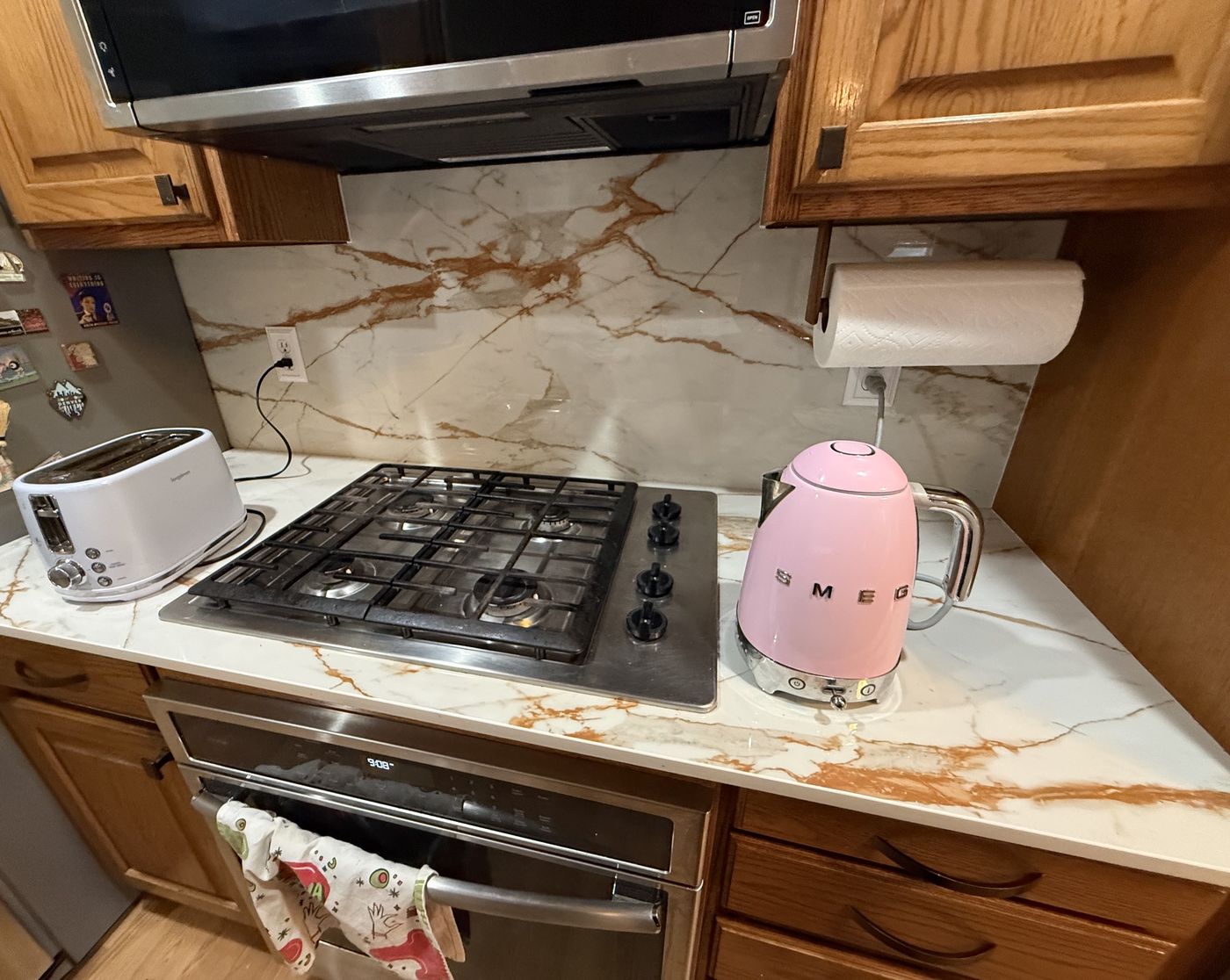
A faulty appliance or cord
If you have already noticed that trips happen whenever one particular appliance is used, tell your electrician. The CPSC identifies this pattern as a possible appliance defect in its CPSC Guide to Home Wiring Hazards. Stop using the suspected appliance until it has been evaluated. Do not keep plugging it into different outlets to reproduce the problem.
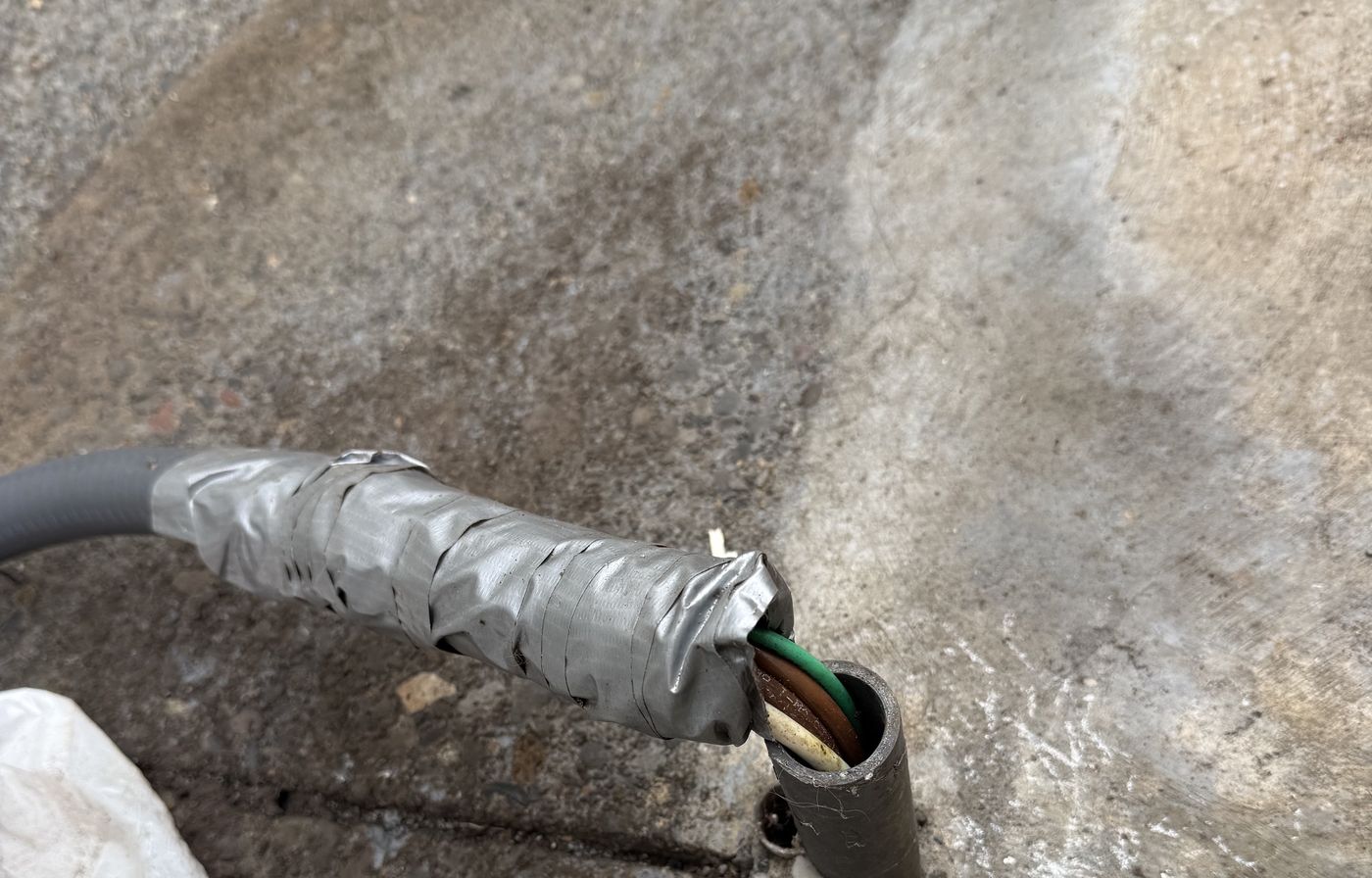
A short circuit or ground fault
A short circuit creates an unintended path that can allow a large amount of current to flow around the normal load. A ground fault involves current taking an unintended path to a grounded surface. These conditions require diagnosis; the speed of a trip alone cannot confirm which problem is present.
A ground-fault circuit interrupter, or GFCI, responds to a difference between outgoing and returning current to help protect people from electric shock. The CPSC GFCI Fact Sheet explains why this protection matters.
Arc-fault protection responding to a problem
An arc-fault circuit interrupter, or AFCI, helps protect against dangerous electrical arcing associated with damaged or stressed wiring and devices. Its purpose differs from GFCI protection: AFCIs address certain fire hazards, while GFCIs help protect against shock. See the ESFI explanation of AFCI and GFCI protection.
If an AFCI or GFCI breaker repeatedly trips, have the cause investigated. Replacing it with a standard breaker or bypassing its protection can remove an important safety feature.
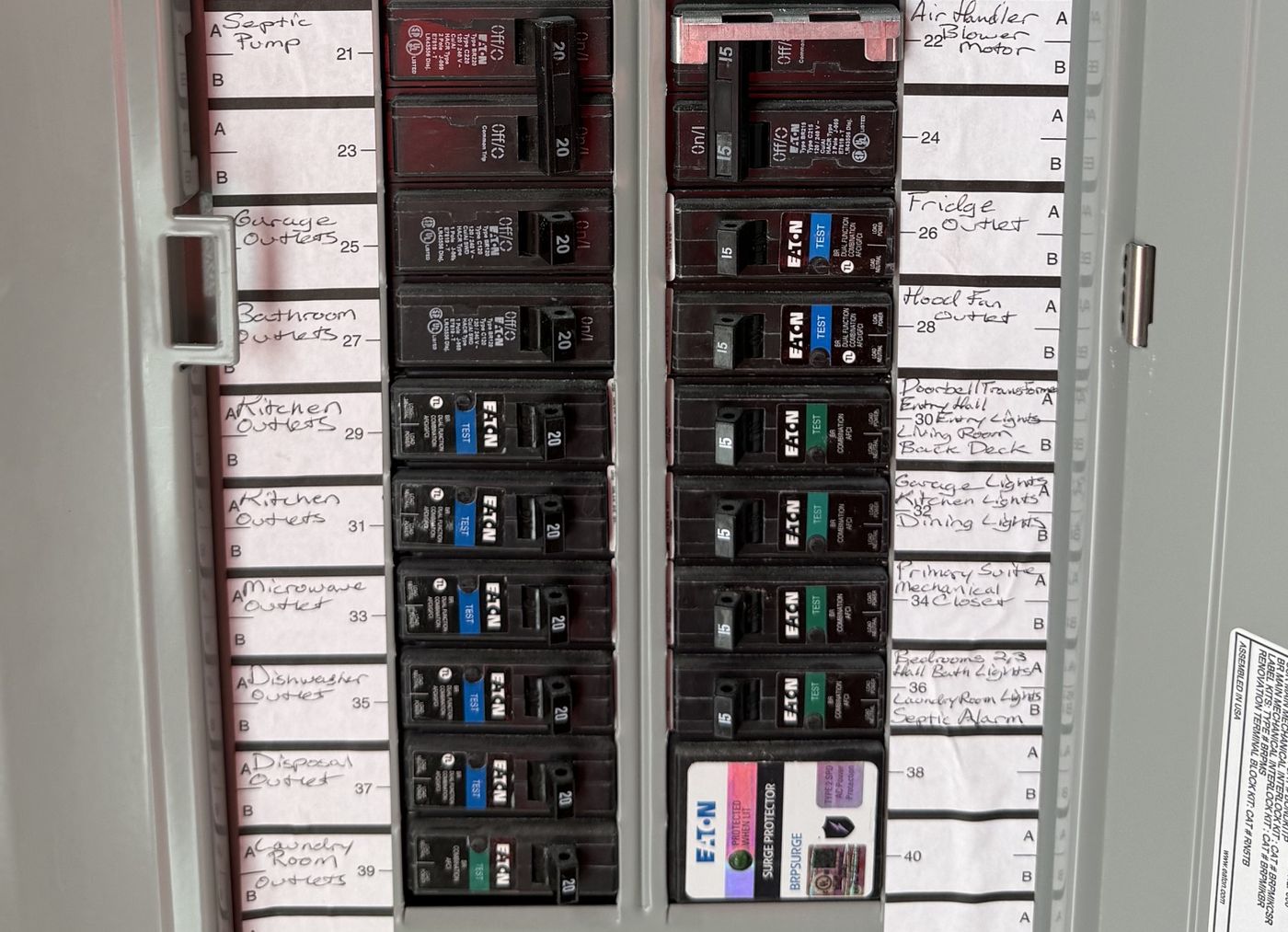
What homeowners can safely note before calling
You do not need to open the panel or test wiring to provide useful information. Tell your electrician what you have already observed:
- Which rooms, lights, or outlets lost power.
- What appliances or equipment were running when it happened.
- Whether the problem began after a new appliance or recent electrical work.
- Whether you noticed a burning odor, buzzing, discoloration, or damaged cords.
If the breaker trips repeatedly or trips again immediately, stop resetting it and leave the affected circuit off until an electrician identifies the cause. Resetting may restore power; it does not repair a fault. Do not remove the panel cover, work on internal connections, or install a higher-amperage breaker to prevent trips.
Warning signs that need prompt attention
Frequent trips deserve attention, especially alongside burning odors, buzzing or sizzling sounds, discolored outlets, or shocks and tingles. ESFI lists these among electrical warning signs in its ESFI guidance on overloaded circuits. Stop using the affected equipment and arrange a professional evaluation.
If you see smoke or fire, leave the area and call 911 from a safe location. Do not approach a smoking, sparking, or wet electrical panel to investigate.
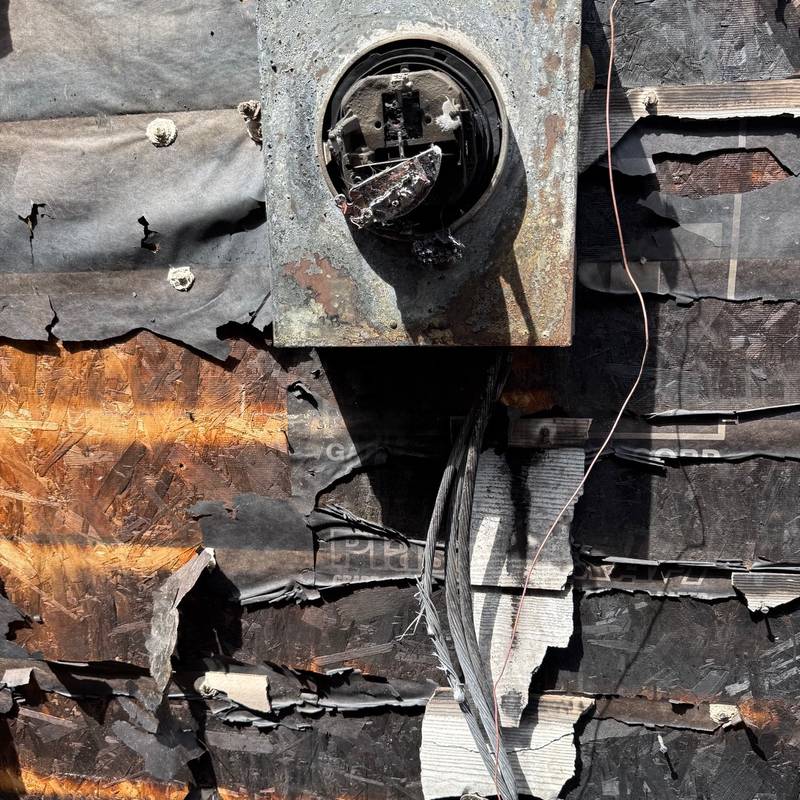
Does a tripping breaker mean you need a new panel?
A recurring trip does not establish that the entire electrical panel needs replacing. The problem may involve an appliance, an individual circuit, a connection, or the protective device itself. An electrician needs to assess the affected circuit and the condition and capacity of the electrical system before recommending a repair.
Depending on the findings, the work could involve repairing wiring, correcting an equipment problem, replacing a defective breaker with the correct compatible device, or installing a dedicated circuit. If the assessment reveals a broader panel issue, we can explain your options through our electrical panel services.
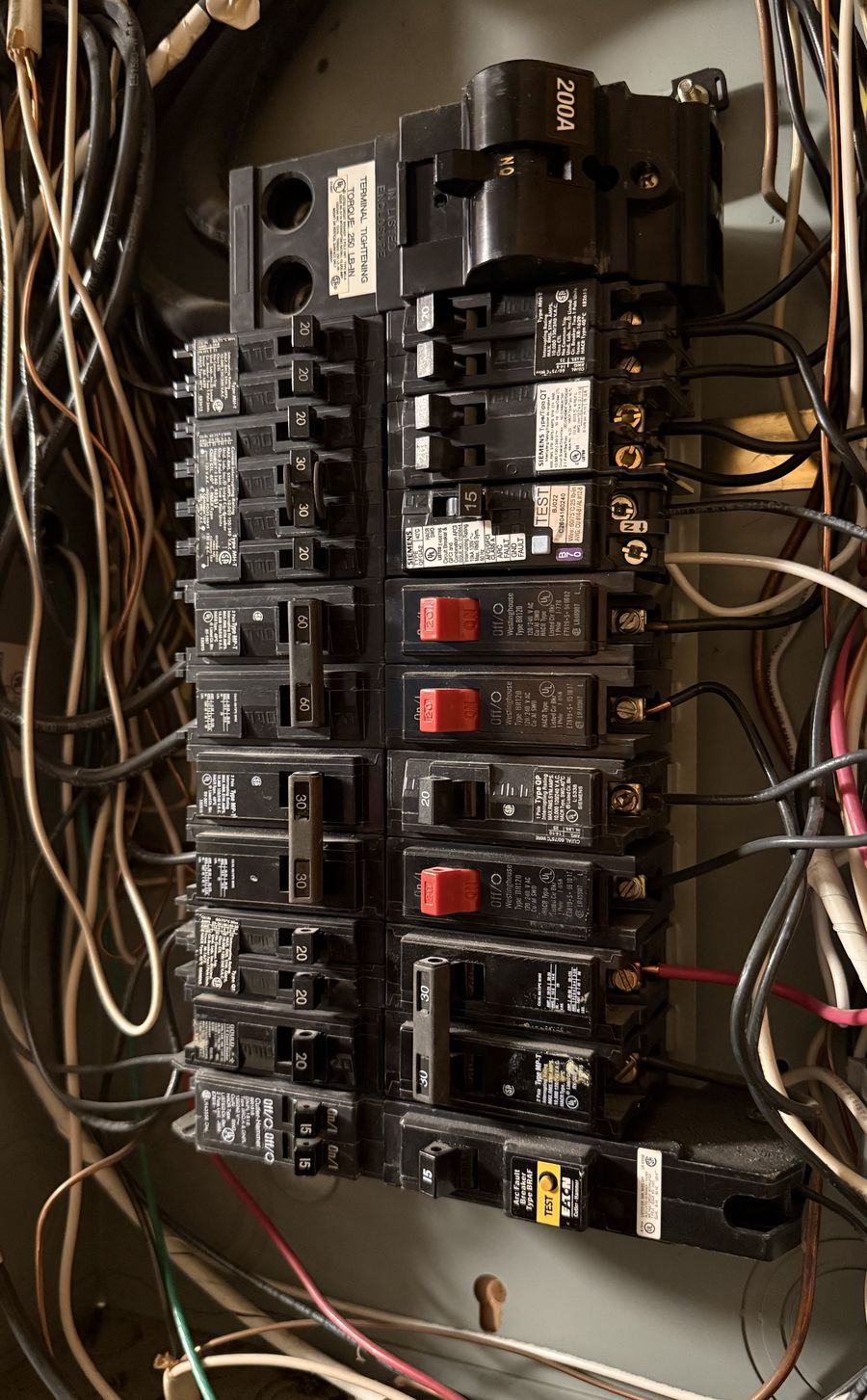
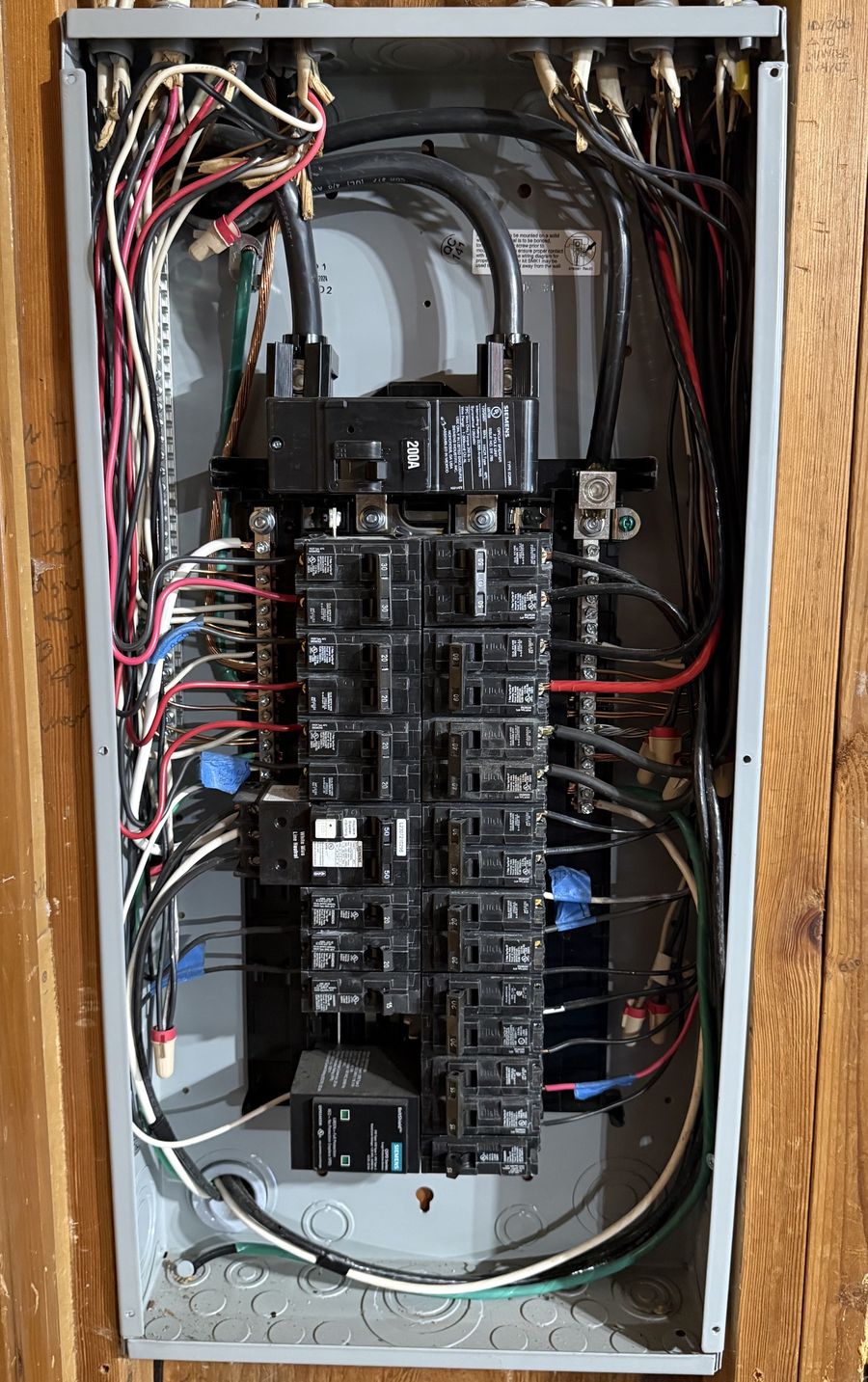
Electrical repair for Vancouver and Clark County homeowners
Crown Electric provides electrical repair services in Clark County, including troubleshooting for tripping breakers, overloaded circuits, and GFCI or AFCI problems. We serve Vancouver, Camas, Battle Ground, Ridgefield, and surrounding communities.
Sources and further reading
This article draws on electrical safety guidance from the U.S. Consumer Product Safety Commission and the Electrical Safety Foundation International, along with technical information from circuit breaker manufacturer Eaton. The linked resources provide additional background.