 Crown Electric
For homeowners in Vancouver, Camas, Battle Ground, Ridgefield, and surrounding Clark County communities, choosing a charger starts with those practical questions. This guide compares the options and explains what to check before buying equipment or scheduling installation.
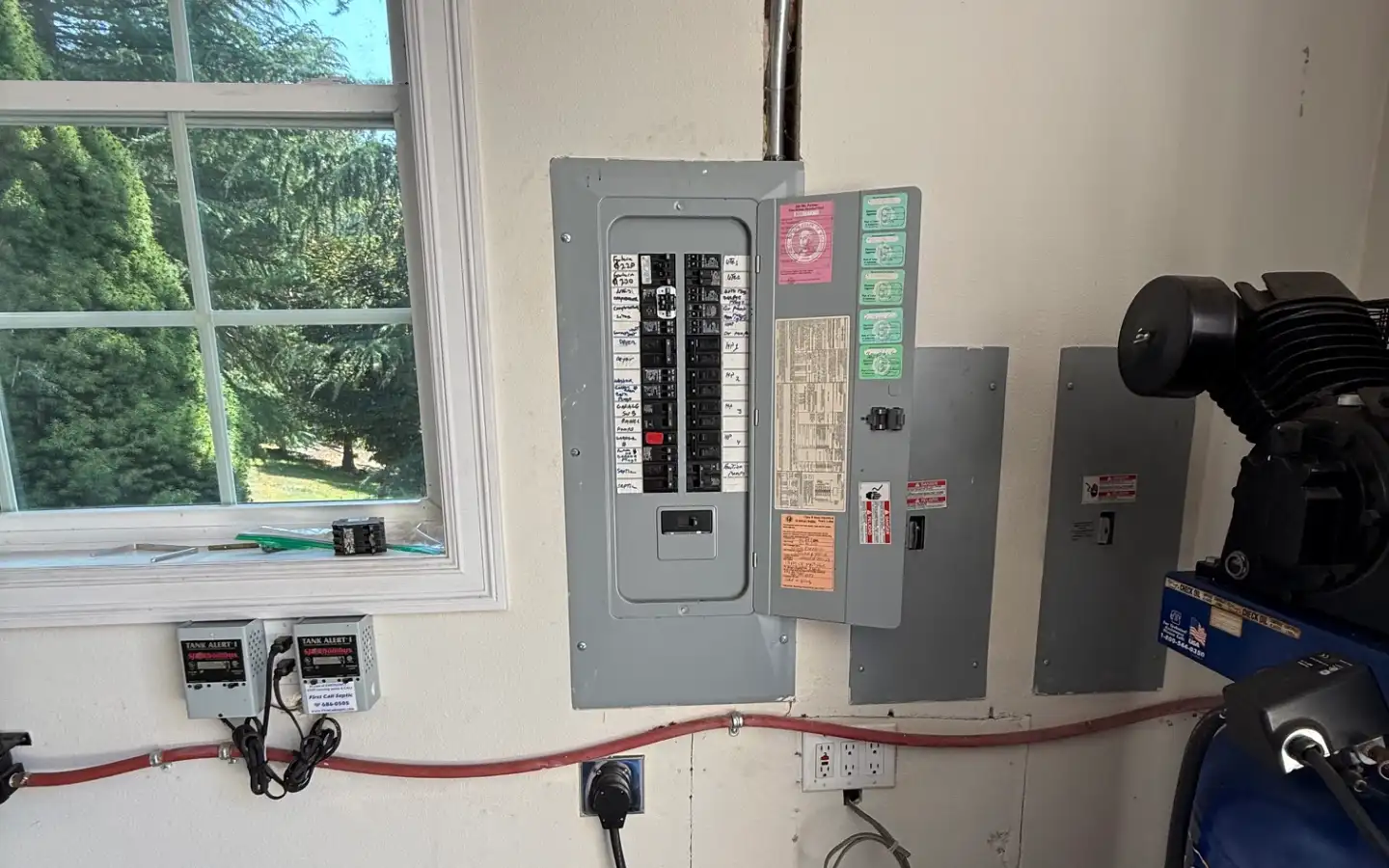
The difference between Level 1 and Level 2
Level 1 uses 120-volt household power with compatible charging equipment. Residential Level 2 uses 240-volt power and can add driving range more quickly. Both can support home charging when the equipment and electrical installation are suitable for the vehicle.
| Home charging feature | Level 1 | Level 2 |
|---|---|---|
| Power supply | 120 volts | 240 volts |
| Typical range added | 2 to 5 miles per charging hour | 10 to 30 miles per charging hour |
| Connection | Compatible cordset and suitable household outlet | Hardwired equipment or compatible 240-volt outlet |
| Planning focus | Circuit and outlet suitability near parking | Available capacity, circuit route, equipment, and permits |
The range estimates above come from the DOE consumer charging comparison. They are general guides, not a guarantee for a particular car or charger. Charging power varies across products and vehicles.
When Level 1 charging may be enough
Start with the distance you normally drive and how long the car sits at home. A shorter daily routine and a long overnight charging window can make Level 1 practical. The U.S. Department of Energy home charging guide says many drivers can meet daily driving needs this way when a suitable outlet on a dedicated circuit is available near their parking space.
The useful question is whether charging replaces what you used that day. You do not need to plan every ordinary charging session around filling an empty battery. Your vehicle’s recommended charge settings and your expected driving should guide the routine.
Before relying on an existing garage outlet, have its suitability checked. An outlet’s appearance alone does not establish that the circuit can support extended charging. ENERGY STAR recommends a licensed electrician evaluate wiring, outlets, and related equipment in its ENERGY STAR charger buying guidance.
When Level 2 is the more useful choice
Level 2 offers more flexibility when a longer commute, frequent errands, or irregular work hours leave less time to charge. It can also help when Level 1 consistently fails to replace your daily driving range. Consider how your charging needs might change if your household adds another EV.
Actual charging speed depends on the vehicle’s onboard charging limit, the equipment’s output, and the available electrical supply. Battery capacity and how much charge remains also affect the time needed. The DOE explanation of charging equipment and speeds explains these factors. A higher advertised charger rating does not mean every vehicle can use that full output.
Will your electrical panel need an upgrade?
A Level 2 installation needs an assessment of the home’s electrical capacity. The electrician considers existing loads, the proposed charging demand, panel condition, and the installation requirements. Spare breaker spaces alone do not establish how much additional load the system can support.
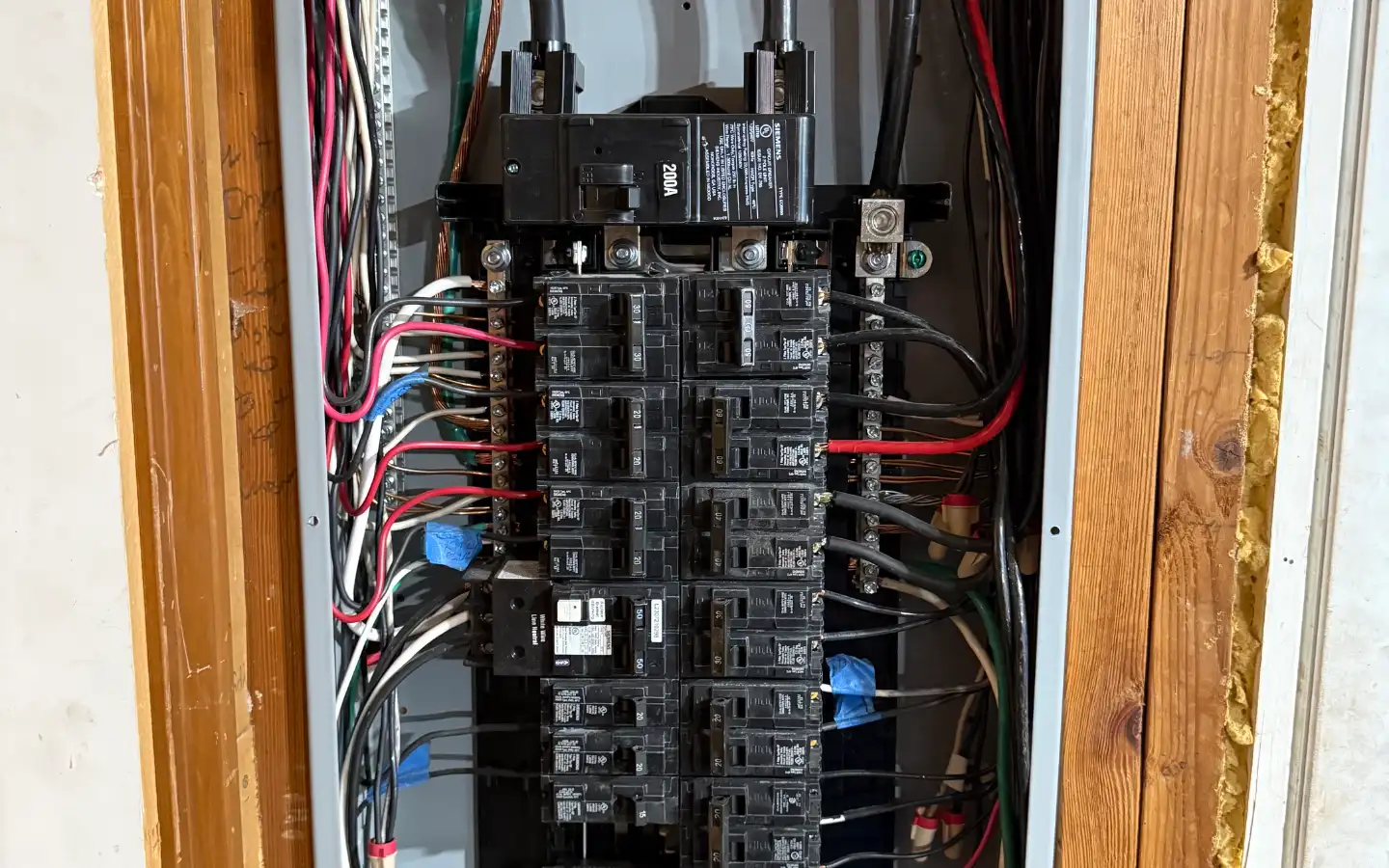
Some homes can support an appropriate charging circuit with their existing service. Others need electrical changes, and our electrical panel services cover that work. Depending on the equipment and local approval requirements, a lower charging output or a compatible load-management system may be an option to evaluate.
For example, Tesla Wall Connector power management documentation describes installer-selected power levels and a system that adjusts charging as household electricity use changes. These are equipment-specific options; an assessment determines whether they suit a particular home.
Plan the location and installation before buying
Think about where you normally park, which side of the vehicle has the charging port, and whether the cable will reach without creating a walking hazard. Confirm vehicle compatibility and whether the chosen unit requires hardwiring or supports an approved outlet connection.
For outdoor parking, choose equipment rated for outdoor use and follow the manufacturer’s installation and weather-exposure instructions. The U.S. Fire Administration recommends safety-certified charging equipment and warns against using an extension cord or multiplug adapter for Level 1 charging. See its U.S. Fire Administration EV charging guidance.
Installation costs depend on the work involved. The distance from the panel, access for routing the circuit, equipment requirements, and any necessary electrical upgrades all affect the estimate. An assessment before purchase helps you choose equipment that fits the proposed installation.
Electrical permits in Vancouver and Clark County
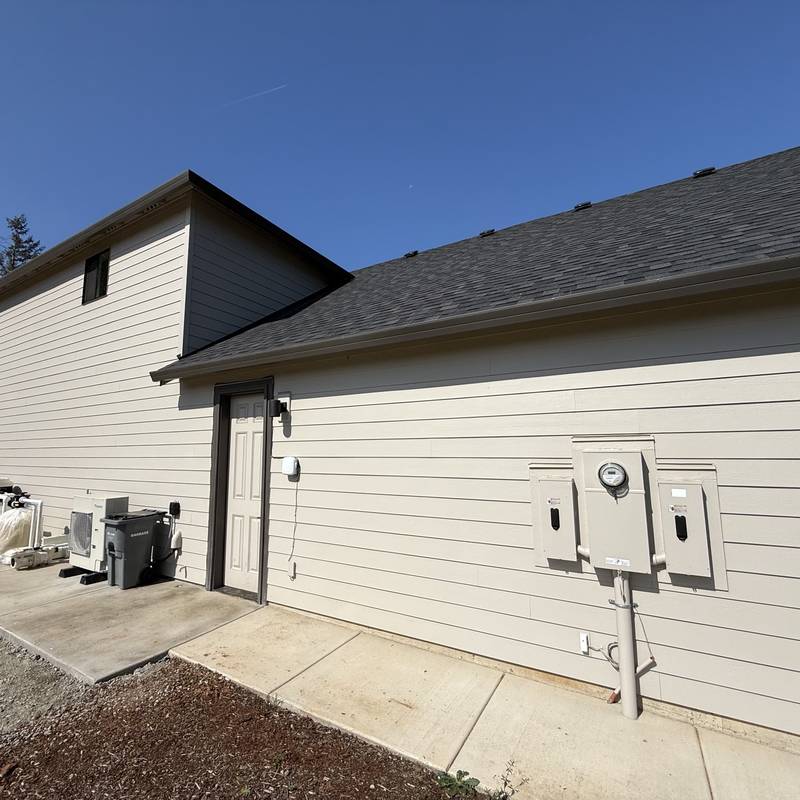
A new home charging circuit needs the appropriate electrical permit and inspection. The issuing authority depends on the property’s location. Vancouver is listed in the Washington L&I electrical jurisdiction directory as a city that handles electrical permits and inspections within its city limits. In unincorporated Clark County, that work falls under Washington L&I.
A Vancouver mailing address does not necessarily mean the home is within city limits. Confirm the actual jurisdiction before applying. Crown Electric coordinates the permit and inspection for its EV charger installations.
Check Clark Public Utilities rebates before purchasing
As of October 15, 2026, the Clark Public Utilities residential EV program lists up to $500 for qualifying new connected Level 2 chargers. The connected tier requires eligible equipment that is ENERGY STAR rated and Wi-Fi enabled. A separate $100 tier covers qualifying non-connected Level 2 chargers or mobile connectors used with a 240-volt socket.
These rebates are for Clark Public Utilities customers and have equipment, receipt, household-limit, and submission requirements. The two tiers are not amounts to add together for one charger. Check the live program and qualified products before buying, since eligibility and program terms may change.
Choose home charging that fits your routine
A suitable Level 1 setup can be a practical choice when overnight charging keeps up with your daily use. Level 2 gives you more charging capability when your driving or schedule calls for it. Either decision should account for safe electrical capacity and the vehicle’s requirements.
Crown Electric provides EV charger installation services for Vancouver and greater Clark County, including Camas, Battle Ground, and Ridgefield. We assess panel capacity, plan the charging circuit, and coordinate permitting and inspection.
Sources and further reading
The credited resources below were checked on October 15, 2026.
- U.S. Department of Energy home charging guide
- DOE consumer charging comparison
- DOE explanation of charging equipment and speeds
- ENERGY STAR charger buying guidance
- U.S. Fire Administration EV charging guidance
- Tesla Wall Connector power management documentation
- Washington L&I electrical jurisdiction directory
- Clark Public Utilities residential EV program